Không có kết quả về nội dung phù hợp với từ khóa tìm kiếm của bạn.
Nội dung
Bạn đã đăng xuất thành công.


Chưa đăng ký tài khoản?
Thách thức trong xử lý vết thương mạn tính
Tại các quốc gia phát triển, ước tính 1–2% dân số sẽ gặp phải vết thương mạn tính trong suốt cuộc đời.1 Nhiễm trùng vết thương là một trong những biến chứng thường gặp nhất của các vết thương khó lành2 và là thách thức đối với bệnh nhân, nhân viên y tế và các cơ sở y tế.

Nhiễm trùng có thể cản trở quá trình lành vết thương, gây ảnh hưởng tiêu cực đáng kể đến chất lượng sống liên quan đến sức khỏe.3 Bệnh nhân có vết thương nhiễm trùng thường gặp các triệu chứng khó chịu như đau, mùi hôi, dịch mủ, giảm khả năng vận động cùng nhiều vấn đề khác.4 Những khó khăn này có thể tác động sâu sắc đến cả bệnh nhân và gia đình họ.5
Việc quản lý vết thương nhiễm trùng đòi hỏi đội ngũ đa chuyên khoa và cách tiếp cận toàn diện, bao gồm đánh giá vết thương đầy đủ và chăm sóc tổng thể người bệnh.6 Do đó, việc xác định các chiến lược hiệu quả nhất để phòng ngừa, chẩn đoán và điều trị là vô cùng cần thiết.
0 đến 2%
dân số sẽ gặp vết thương mạn tính trong cuộc đời.7
Hơn
0%
vết thương mạn tính được ước tính là bị nhiễm trùng.8
Chuỗi tiến trình nhiễm trùng vết thương mô tả các giai đoạn khác nhau của nhiễm trùng, từ nhiễm trùng ban đầu đến nhiễm trùng huyết rõ rệt.9, 10 Khái niệm này do Viện Nhiễm trùng Vết thương Quốc tế (IWII) xây dựng nhằm hỗ trợ các chuyên gia y tế xác định chiến lược phù hợp để phòng ngừa và kiểm soát nhiễm trùng vết thương.

*Việc sử dụng sản phẩm Prontosan và Askina không thay thế điều trị kháng sinh toàn thân hoặc các phương pháp điều trị nhiễm trùng đặc hiệu khác._Điều chỉnh từ: International Wound Infection Institute (IWII) Therapeutic wound and skin cleansing: Clinical evidence and recommendations. Wounds International. 2025.
Nhấp vào đây để tải xuống tài liệu đầy đủ để tham khảo.
Tải về ngay bây giờCách tiếp cận kết hợp tiên tiến
Khái niệm điều trị của chúng tôi bao phủ toàn bộ chuỗi tiến trình nhiễm trùng vết thương với các giải pháp được khuyến nghị. Dung dịch rửa vết thương Prontosan® giúp làm sạch và ngăn ngừa hình thành lớp màng sinh học từ giai đoạn đầu đến cuối. Sản phẩm Prontosan® Wound Gel và Gel X hỗ trợ phòng ngừa nhiễm trùng bằng việc tạo ra hàng rào kháng khuẩn.
Đối với giai đoạn điều trị, dòng sản phẩm Askina® Calgitrol® (băng vết thương chứa bạc) của chúng tôi dùng trong điều trị, giúp giảm các dấu hiệu lâm sàng của nhiễm trùng 11 đồng thời cung cấp hiệu quả kháng khuẩn ở phạm vi rộng.12 Bằng chứng cho thấy việc sử dụng chất làm sạch loại bỏ màng sinh học kết hợp với tác nhân kháng khuẩn hiệu quả hơn so với chỉ sử dụng tác nhân kháng khuẩn.13
Cam kết của chúng tôi là hỗ trợ chuyên gia y tế với các giải pháp hiệu quả giúp giảm nguy cơ nhiễm trùng, hạn chế đề kháng kháng sinh và tạo môi trường tối ưu cho quá trình lành vết thương, từ đó góp phần mang lại kết quả điều trị tốt hơn và tối ưu hiệu quả chăm sóc.
Prontosan® giúp giảm đáng kể tỷ lệ nhiễm trùng theo thời gian14-16 và vượt trội hơn dung dịch muối sinh lý17 với hàng rào kháng khuẩn được tạo bởi Prontosan® Wound Gel và Gel X.18, 19
Giải pháp hỗ trợ làm sạch viết thương, loại bỏ mô hoại tử và bảo vệ chống nhiễm khuẩn.
Đọc thêm tại đây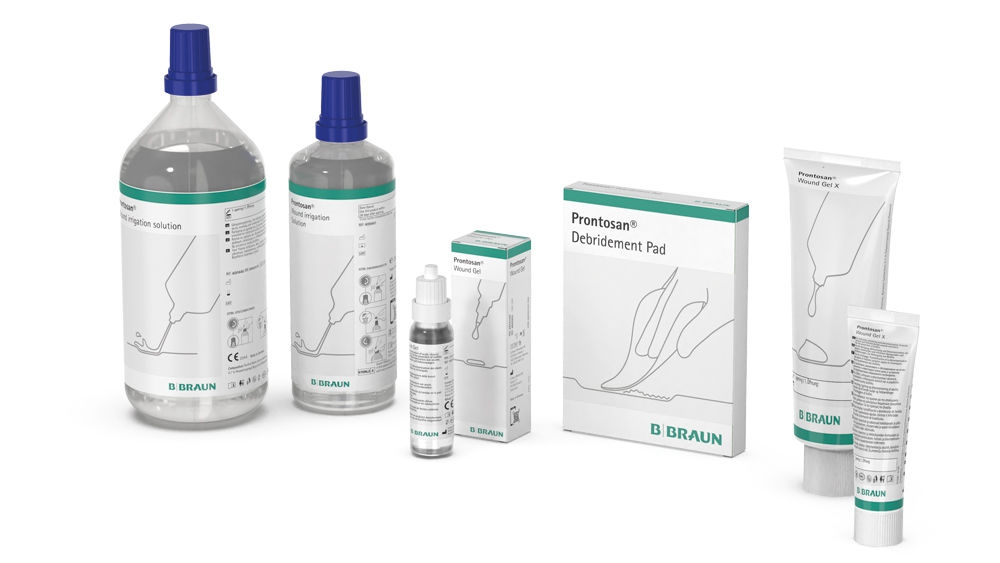
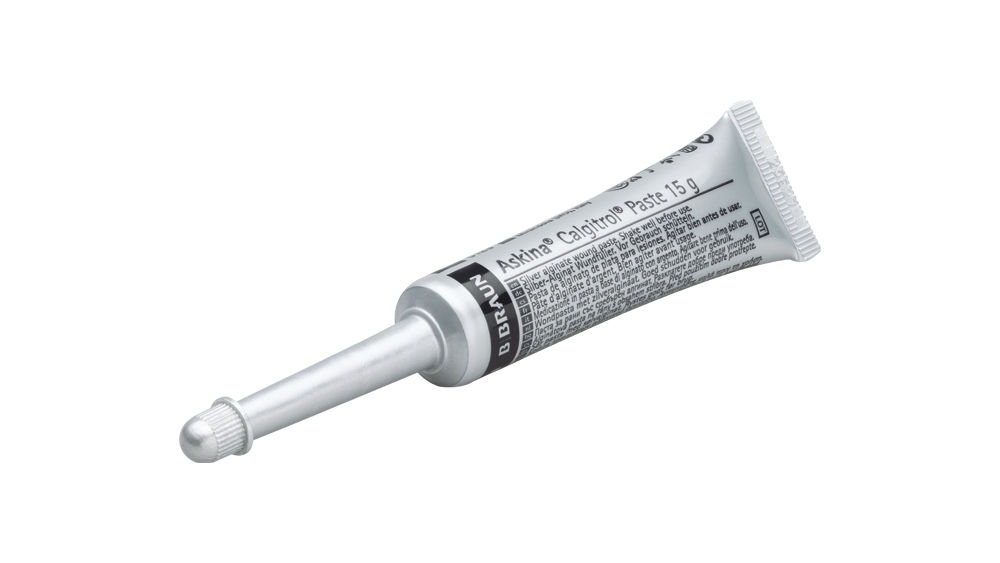
Askina® Calgitrol® Paste cho thấy giảm các dấu hiệu lâm sàng của nhiễm trùng ngay trong tuần đầu điều trị20, đồng thời cung cấp hiệu quả kháng khuẩn ở phạm vi rộng.21
Đọc thêm tại đâyGiải pháp thay thế kháng sinh trong điều trị vết thương nhiễm trùng
Chăm sóc vết thương hiệu quả bắt đầu từ việc lựa chọn đúng giải pháp vào đúng thời điểm.
Việc sử dụng kháng sinh sớm trong quản lý vết thương có thể mang lại lợi ích ngắn hạn, nhưng lạm dụng sẽ thúc đẩy việc kháng kháng sinh - một cuộc khủng hoảng y tế toàn cầu khiến vết thương mạn tính ngày càng khó điều trị.22 Nếu không có sự can thiệp hiệu quả, AMR có thể gây ra 8,2 triệu ca tử vong trên toàn thế giới vào năm 205023, 24, với tác động kinh tế lên tới 1 nghìn tỷ USD25.
Tại B. Braun, chúng tôi chủ động tham gia vào cuộc chiến chống lại AMR. Thông qua hợp tác với EWMA và tài trợ Chương trình Quản lý sử dụng kháng sinh (Antimicrobial Stewardship Programme), nhấn mạnh việc sử dụng kháng sinh hợp lý và phù hợp trong chăm sóc vết thương, chúng tôi cam kết thúc đẩy các biện pháp điều trị tốt nhất nhằm bảo toàn hiệu quả điều trị và bảo vệ bệnh nhân. Cùng nhau, chúng ta có thể tạo ra tác động tích cực trong việc chăm sóc vết thương với các giải pháp tiên tiến, giúp can thiệp sớm và sử dụng kháng khuẩn có trách nhiệm.
Tất cả các vết thương hở đều bị nhiễm khuẩn và có sự hiện diện của vi sinh vật, tuy nhiên không phải tất cả các vết thương đều chuyển sang nhiễm trùng. Mối quan hệ cộng sinh giữa cơ thể người bệnh và vi sinh vật sẽ gây ra bệnh khi hệ miễn dịch suy giảm dưới tác động của độc lực vi sinh vật trong vết thương, dẫn đến nhiễm trùng vết thương. Màng sinh học cũng góp phần làm chậm quá trình lành vết thương và làm tăng nguy cơ nhiễm trùng.26
Nguy cơ nhiễm trùng vết thương chịu ảnh hưởng bởi đặc điểm của bệnh nhân, đặc điểm của vết thương và yếu tố môi trường. Các yếu tố từ phía bệnh nhân mang tính toàn thân và đa yếu tố, bao gồm nhiều biến số khác nhau. Loại vết thương (ví dụ như nguyên nhân gây vết thương) cũng góp phần làm tăng nguy cơ nhiễm trùng.26
Nhiễm trùng khu trú (local infection) là giai đoạn mà vi sinh vật hiện diện và tăng sinh trong vết thương, kích hoạt phản ứng từ cơ thể, thường gây chậm lành vết thương. Nhiễm trùng khu trú giới hạn trong vết thương và vùng xung quanh gần kề (< 2 cm). Nhiễm trùng khu trú thường biểu hiện bằng các dấu hiệu ẩn (khó nhận biết), không dễ phát hiện được ngay lập tức.
Các dấu hiệu ẩn của nhiễm trùng vết thương bao gồm: Tăng sinh mô hạt bất thường, chảy máu, mô hạt dễ tổn thương, cầu nối biểu mô và hình thành túi trong mô hạt, tăng tiết dịch, chậm lành vết thương so với dự kiến. Khi nhiễm trùng tiến triển, các dấu hiệu điển hình (rõ ràng) sẽ xuất hiện như ban đỏ, nóng tại chỗ, sưng, dịch mủ, vết thương mở rộng hoặc phá hủy mô, đau, mùi hôi tăng lên.26
Có tới 90% vết thương mạn tính có chứa màng sinh học, góp phần gây nhiễm trùng vết thương. Ngày càng có nhiều bằng chứng cho thấy mối liên hệ giữa màng sinh học, việc chậm lành vết thương, tăng nguy cơ nhiễm trùng, tăng đề kháng kháng sinh.26
Phòng ngừa nhiễm trùng vết thương tập trung vào việc giảm các yếu tố nguy cơ cá nhân của bệnh nhân. Cần xác định mục tiêu điều trị lâm sàng, phối hợp với bệnh nhân và gia đình, đồng thời áp dụng đánh giá và quản lý toàn diện để giảm thiểu rủi rõ nhiễm trùng vết thương. Ngoài việc can thiệp vào từng yếu tố rủi ro cụ thể, các tác nhân kháng khuẩn tại chỗ có thể đóng vai trò trong phòng ngừa nhiễm trùng, đặc biệt ở các vết thương có nguy cơ nhiễm khuẩn cao.26
Làm sạch vết thương là thành phần nền tảng trong việc chuẩn bị nền vết thương. Làm sạch vết thương được định nghĩa là quá trình loại bỏ chủ động các chất bẩn bề mặt, mô hoại tử không bám dính, vi sinh vật và/hoặc phần còn lại của băng trước đó khỏi bề mặt vết thương và vùng da xung quanh. Việc làm sạch điều trị bằng chất hoạt động bề mặt hoặc dung dịch có tác dụng kháng khuẩn có thể mang lại lợi ích bổ sung trong việc loại bỏ mô chết bám chặt hoặc màng sinh học nghi ngờ trong điều trị vết thương mạn tính.26
Vui lòng kiểm tra hộp thư và xác nhận email mà chúng tôi đã gửi cho bạn.

